BirdsRooftops & utility polescommon
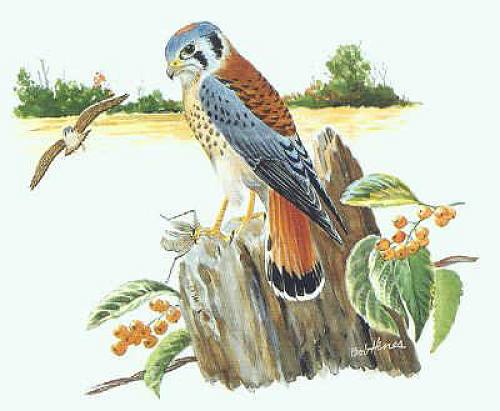
American kestrel · Falco sparverius
North America's smallest falcon rents Brooklyn cornices and rooftop cavities.
✓ NYC Parks / NYC Bird Alliance
Parks, free workouts, playgrounds, piers, mailboxes, shipping counters. No ads, no ranking games — just what's there, with its source.
What's on the walls and in the halls — street art, landmarks, movie scenes, the museums and stages of the ledger — and the zips this one is twinned with, by decree and by geometry.
The zip's antipode is empty ocean — the point falls in the Indian Ocean southwest of Australia, a thousand kilometres from any door. The nearest is Augusta, the small town on Cape Leeuwin where the Indian and Southern Oceans officially meet: one lighthouse, one bakery, and the whole of Antarctica next stop south.
Same parallel, longitude flipped across Greenwich — and the point lands in the foothills of the Fergana valley's rim in southern Kyrgyzstan. The nearest town is Özgön, a Silk Road stop with an 11th-century Karakhanid minaret and mausoleums of carved terracotta. New York's cast iron and Karakhanid brickwork share a latitude almost to the block.
Latitude mirrored below the equator: the point sits in the Pacific about thirty kilometres off the Chilean coast. The nearest door is Bahía Mansa, a fishing cove in San Juan de la Costa — larch forests down to the water, sea lions on the rocks, and the same cold-current fog that never reaches New York.
The zip's other residents — the animals, plants and corals you can actually meet here, with where to find them and when they show up.
North America's smallest falcon rents Brooklyn cornices and rooftop cavities.
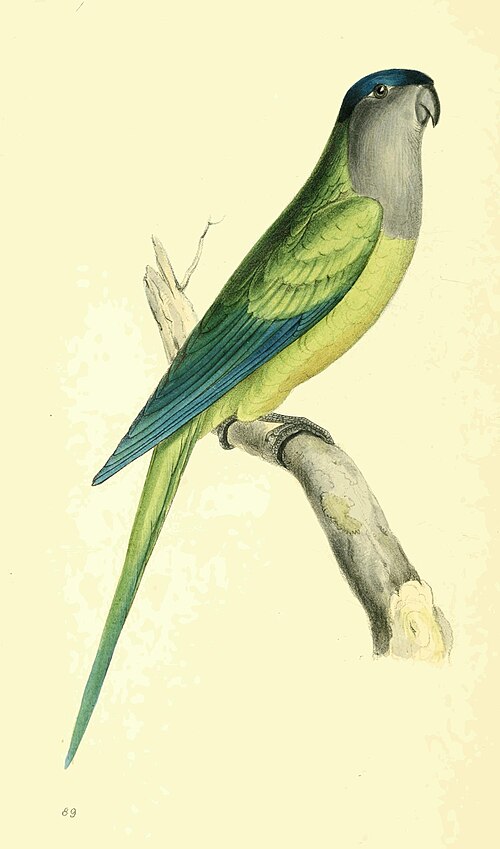
Brooklyn's loose green colonies — escapees since the 1960s, builders of stick-castle nests.
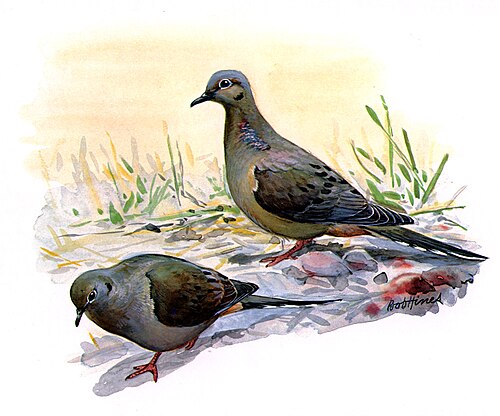
The soft five-note call of every stoop morning.
A red note in every hedgerow, singing from February on.
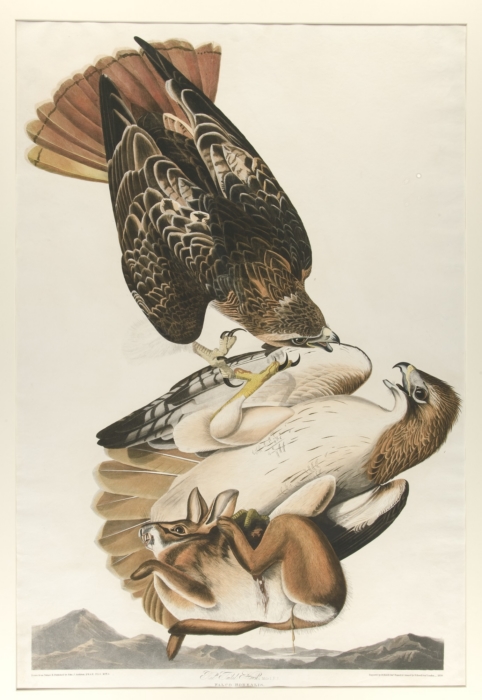
The borough's big soaring silhouette, nesting on fire escapes and park oaks alike.
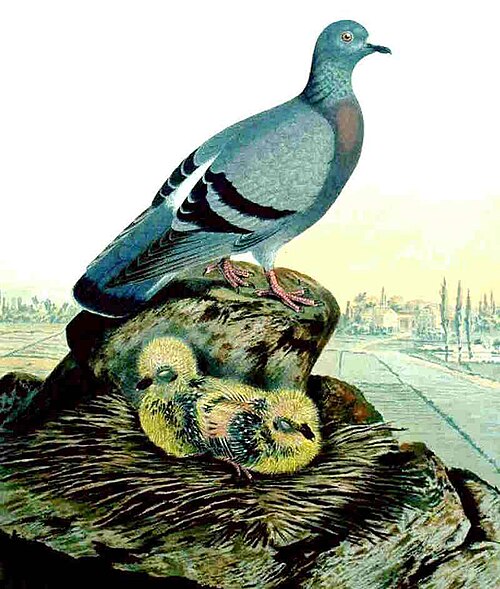
Tenured since the Dutch. The block's oldest commuters.
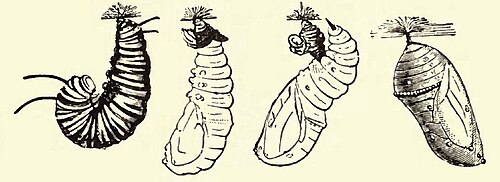
Community-garden milkweed feeds the September flight down the coast.
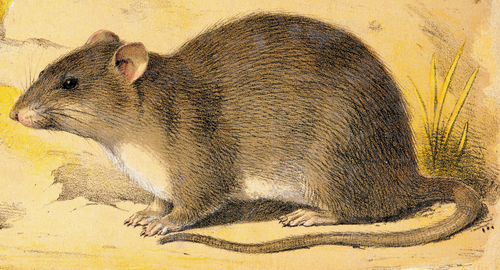
Tenure since the 1770s. The ledger stays honest.
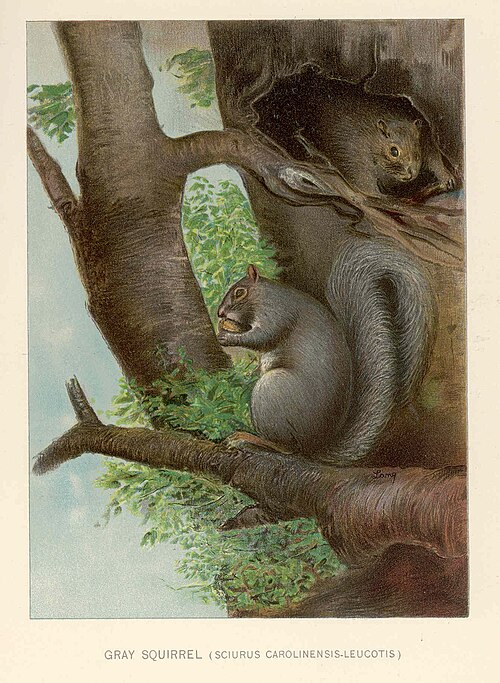
The parkway malls' resident acrobat.
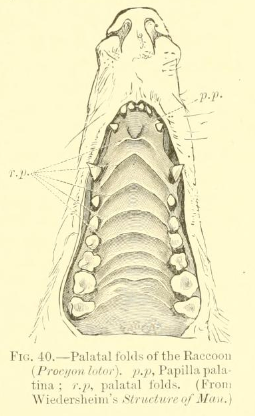
Night auditor of trash night; handles latches better than some tenants.
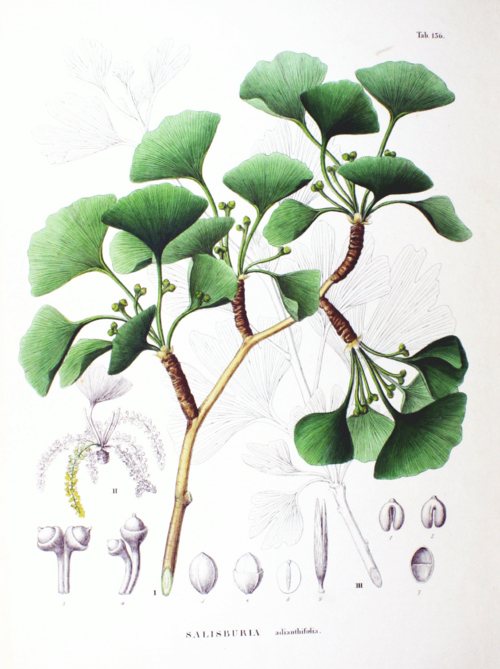
The unkillable fossil tree — gold in November, fragrant underfoot where the females stand.
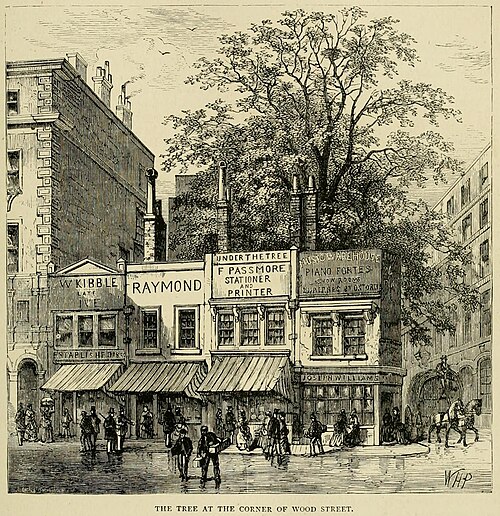
The city's workhorse street tree — camouflage bark over half the parkway.

Straight-trunked shade over the side streets, acorns for the squirrels.
Every way in, out and across the zip — the trains and where they're headed, the buses, the bike docks, a cab when you need one, and what to do with a car.
The block from below and at the corner — the traffic signals that time the street, and the manholes, drains and subway mouths that open onto everything running beneath it. Counted from OpenStreetMap; the parts no city publishes are named, not guessed.
Count is OpenStreetMap-derived — it maps each signalized crossing separately, so approaches are clustered into intersections (≈, not exact). The timing isn't public at all: per-signal cycle plans aren't published. Most run fixed, coordinated cycles you can learn by standing at the corner; some busier crossings are sensor-actuated or adaptive to live traffic — where a city states which, it's tagged above; where it won't, it reads Not published.
The surface access is mapped — manholes, storm drains, subway mouths and vents. What they open onto isn't: the water, sewer, gas and cable networks that run below the block are not public geometry, so they're named here, never drawn as fake lines. Points from OpenStreetMap.
Every café, restaurant, bar and counter on the ledger — typed and faceted straight from the knowledge layer.
The zip's flagships, staples and indies, the brands they carry, and the shared product vocabulary underneath — the graph an integrated zip-POS would settle against. 0 retailers · 0 brands tracked.
Every seat that holds power over the block, from the community board to the president. The template ships the seats; each edition fills the names from a dated source — an open seat means not yet sourced, never guessed.
The police surveillance technology documented over this block — plate readers, cameras, drones, face recognition and the rooms that pool them. Counted from the Atlas of Surveillance; a category with none documented is marked as such, never guessed, because absence of a record is not proof a tool isn't in use.
Software that matches faces from cameras or photos against a database to put a name to a person — often without their knowledge or consent.
Cameras that photograph every passing plate and log where and when it was seen, building a searchable map of a car's movements over months or years.
“Stingray” devices that impersonate a cell tower so nearby phones connect to them, revealing the location and identity of every handset in range.
Algorithms that forecast where crime will happen or who is likely to be involved, directing patrols and scrutiny toward people and blocks by statistics.
Unmanned aircraft used for aerial surveillance, crowd monitoring and, increasingly, as first responders dispatched to calls with cameras rolling.
Networks of always-on microphones on streetlights and buildings that listen for gunfire — and can capture voices — then send police to the sound.
AI layered onto camera feeds to automatically flag people, objects or behaviour, and to search hours of footage for a shirt colour, a bag, a face.
A roster of private security cameras — doorbells, shops, homes — that residents register or connect, letting police pull footage from across the block.
Cameras worn by officers. A record of encounters that can protect the public — but also a mobile, searchable feed whose footage the department controls.
Commercial services that pool phone, location, social-media and public records into one search, letting police buy access to data they'd need a warrant to collect.
A control room fusing live camera, plate, gunshot and phone feeds onto one wall — the hub that turns scattered sensors into continuous watching.
A state or regional office where local, state and federal agencies share intelligence — pooling records on people across jurisdictions with little public oversight.